
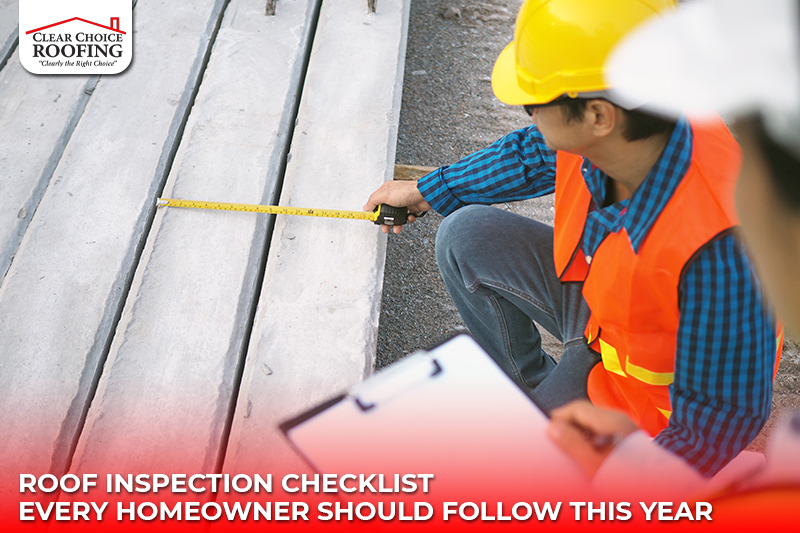
Every home tells a story, but your roof keeps that story safe and dry. When ignored, small roof issues become large, expensive headaches. The good news is, routine checks prevent all that pain. With this smart checklist, you’ll spot danger signs early and fix problems before they spread. Let’s walk through each step to keep your roof secure and strong. This year, let’s stop damage before it starts with a complete roof inspection plan.
Why Roof Inspections Matter More Than Most Homeowners Realize
Your roof takes the full hit from every storm, wind burst, and temperature shift. Over time, shingles curl, seals crack, and gutters clog often without warning. Ignoring these small signs invites leaks, mold, and rising repair costs. A proper roof inspection catches issues fast and saves money. It also protects your family from health hazards like water damage and mold. Even newer roofs need checks once a year for safety and strength.
The Ultimate Roof Inspection Checklist for Homeowners
Start outside and look for these common signs of wear or weakness:
- Check Shingles: Missing, broken, or curling shingles invite water to enter your attic.
- Inspect Flashing: Look at vents, chimneys, and skylights for rust, cracks, or looseness.
- Gutter Health: Ensure all gutters and downspouts are clear, tight, and flowing well.
- Look for Moss: Moss buildup traps moisture and shortens your roof’s lifespan fast.
- Check for Sagging: A drooping roof line could mean deeper damage beneath the surface.
Inside your home, signs appear differently but matter just as much:
- Ceiling Stains: Yellow or brown marks show leaks have already begun.
- Mold Smells: A musty scent is a sure warning of hidden moisture issues.
- Light in Attic: If daylight shines through, so does rain act fast.
- Dripping Sounds: Hear water during storms? That’s a leak in action.
- Hot or Cold Drafts: Poor insulation from roof damage raises energy bills.
Use this full checklist every spring and fall for the best protection all year.
How to Prepare Before a Professional Roof Inspection Begins
Before calling a pro, take clear photos of areas that look off or damaged. Make notes about when you first noticed changes. Clean your attic path so the inspector can move easily and safely. Knowing your roof’s age and past repair history helps a lot. Sharing clear info makes your inspection smooth and complete.
The Real Costs of Skipping Yearly Roof Inspections
Neglecting roof care doesn’t just invite damage guarantees it. Water leaks ruin ceilings, warp floors, and rot support beams. Once mold starts, it spreads quickly, and cleanup costs climb. Insurance may not cover damage if you fail to maintain your roof. A yearly roof inspection costs less than emergency fixes or replacements. Skip once, and it could cost thousands later.
Common Mistakes People Make During Self-Inspections
Some homeowners mean well but miss key areas or cause new problems. Stepping on weak shingles or pulling loose flashing makes things worse. Using ladders without safety tools causes falls and injuries. That’s why we recommend letting trained professionals handle roof checks fully. However, your walkthrough still helps you spot signs early.
Green Roofing Tips to Extend Life After Inspections
Once the damage is fixed, go further by adding eco-safe upgrades. Install solar-reflective shingles to reduce heat and energy use. Use water-resistant underlayment that stops leaks better than old materials. Trim tree branches that hang close to your roof. These green tips save energy and support your roof’s health, too.
Roof Inspections in Storm-Prone Areas Like Texas
Texas weather brings intense hail, wind, and sun damage that hits roofs fast. Storm damage doesn’t always show right away. That’s why homeowners here often need post-storm inspections. Spotting small cracks or dislodged tiles early avoids emergency costs later. Many local companies offer free inspections after big stormstake advantage of that.
Real-Life Example: How One Inspection Saved a Homeowner Thousands
In Odessa, a homeowner noticed one tiny stain on a ceiling tile. They called for a roof inspection right away. The inspector found cracked flashing and lifted shingles near the chimney. After repairs, the leak stopped and avoided major water damage inside. That one phone call saved the homeowner over $4,000 in repairs and cleanup.
When Is the Best Time to Schedule a Roof Inspection?
The ideal time is twice a yearin early spring and again in fall. You should also book an inspection after any major storm, hail, or wind event. If your home is older than fifteen years, consider scheduling checks more often. Timely inspections help you plan repairs before costs climb.
Choosing the Right Roof Inspector for Reliable Results
Look for local companies with strong reviews and full licenses. Ask if they offer photos with their inspection reports. Trust those who take the time to explain the findings clearly. A good inspector cares about your roof’s healthnot just selling repairs. Loyalty, experience, and education set true professionals apart.
Protect Your Roof with Smart Yearly Inspections
We help homeowners keep their roofs strong, leak-free, and ready for every season ahead. Don’t wait for signs of damage to show. With expert checks, we find and fix issues before they grow. Reach out today to book a full inspection and secure peace of mind.
Conclusion
A roof inspection might feel like one more task, but it protects everything. It keeps your home dry, safe, and strong through every season. Using a full roof inspection checklist now helps you avoid serious issues later. Be proactive, stay informed, and never underestimate the power of prevention.